
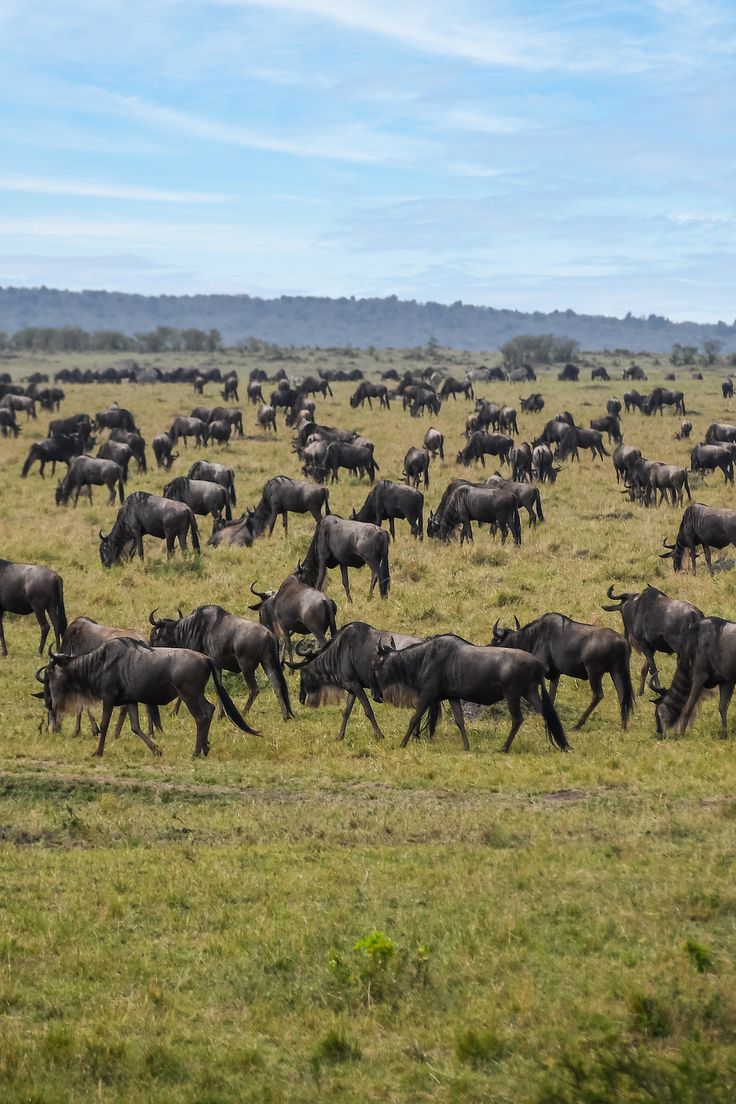
Where the herds actually are in January, why the Mara crossings happen when they do, and how to plan a migration safari around the calf-drop, the rut, and the river drama.
The Great Migration is not an event — it is a year-long loop of roughly 1.5 million wildebeest, 300,000 zebra, and a long tail of gazelle pushing across the Serengeti-Mara ecosystem in search of rain-fresh grass.
Where the herds are on any given week depends on rainfall, not the calendar. But the patterns rhyme each year, and once you understand the rhythm you can pick a base camp that puts you in the middle of the action instead of two hundred kilometres from it.
January – March: the calving season on the southern plains
By late January the herds are spread across the short-grass plains around Ndutu and the south-eastern Serengeti. Roughly 8,000 wildebeest calves are born every day for about three weeks in February — a pulse of life that draws lions, cheetah, and hyena into the open.
This is arguably the best wildlife photography window of the year. Stay in a mobile camp on the Ndutu side of the boundary so you can move with the herds at first light.
April – May: the long rains and the great push north
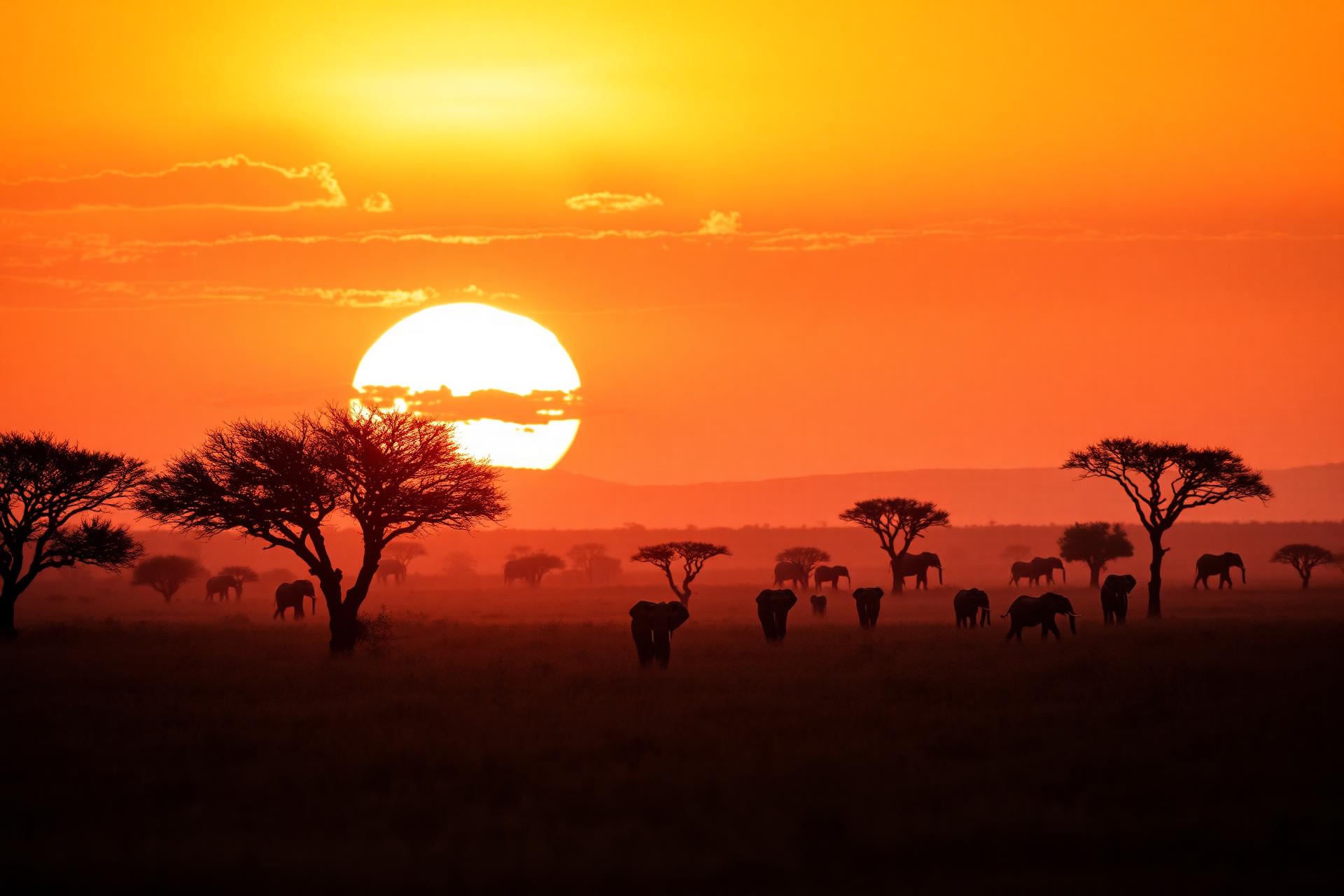
As the southern plains dry out, the herds form their iconic columns and begin moving west and north through the central Seronera and Moru Kopjes. Crowds are at their thinnest, lodges quietly drop their rates, and the bush is at its greenest. Pack waterproof layers and accept the occasional damp morning — you'll have the Serengeti almost to yourself.
“Where the herds are on any given week depends on rainfall, not the calendar.”
June – July: the Grumeti drama
Through June the herds press into the Western Corridor, where the Grumeti River runs slow and tannin-dark. Crocodiles up to five metres long ambush the early crossings. By July the front-runners are pushing toward the Mara River in the far north.
August – October: the Mara River crossings
Most travellers picture this when they hear 'migration': the cliff-edge plunges, the panic, the dust. Crossings happen in the Northern Serengeti and across the border in the Masai Mara. They are unpredictable — you might wait three hours for a herd that turns back, or watch four thousand wildebeest cross in twenty minutes. Build at least four nights in the north to give yourself a real chance.
November – December: the short rains and the journey home
First storms over the southern plains pull the herds back down. November is a quietly excellent month — green grass, full rivers, newborn antelope, and almost no other vehicles. By Christmas the wildebeest are back on the calving grounds, and the cycle begins again.
Born on the edge of Tarangire, Amani has guided more than 600 expeditions across Tanzania's northern and southern circuits.
Inspired by this story? Let’s build the journey.
Our Tanzania-based planners design a private itinerary around the dates, pace, and moments that matter to you. No booking fees, no obligation.
More from the Journal
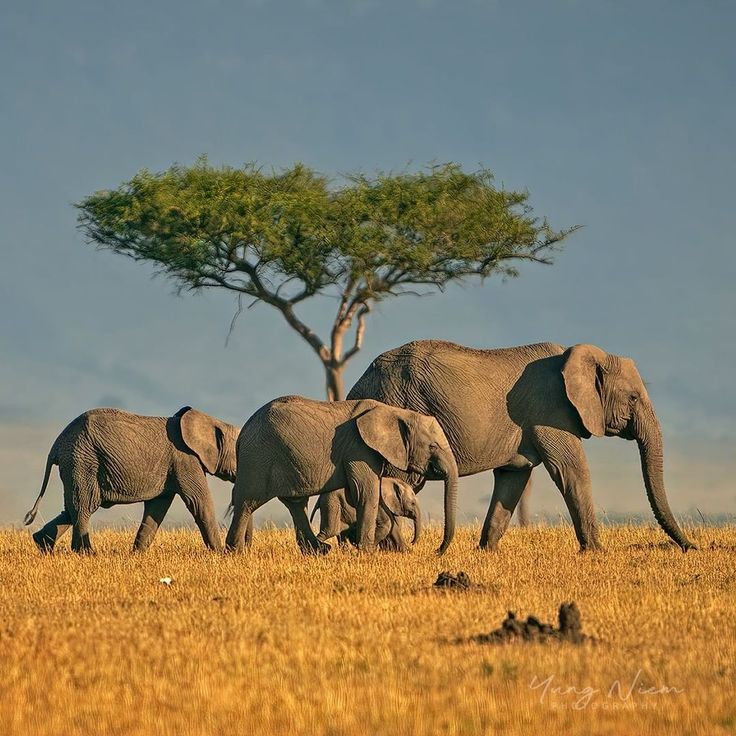
The Big Five: Who They Are and Where to Find Them in Tanzania
Lion, leopard, elephant, buffalo, rhino — the original safari list. Here's the realistic park-by-park guide to seeing all five.
Continue reading